December 6-11, 2013
Our first few steps into Bolivia were a little rough.
Note: You can read the following wall of text or just skip it and know it involved lots of rain, a power outage, and an unauthorized border crossing.
To start, our bus trip into Villazon was cut short because protests along the border had cut off a main road, so we were let off with our bags and forced to walk the rest of the way to the border, about 45 minutes in the blazing heat of northern Argentina in summer. As we got to the border, the clouds rolled in. After our time in Patagonia, we weren’t too worried because these storms usually just drizzle a little and are gone. Not this one. With a crack of thunder that came out of nowhere and made me a little moist, the rain came down. And down and down it came. Subsequent lightning knocked out power at the border office so the wait began. This would have been nothing more than an inconvenience if this had been like any other border crossing, but no, this office was mostly uncovered and exposed to the elements with room for only a handful of people under actual cover. So after the lights went out most of the people in line moved towards shelter but progress had been so painfully slow before then that Holly and I refused to give up our places in line waited it out in the freezing, driving rain and electrical threat. After a little hypothermia and about 2 and a half hours, the power was restored to the building and we made it through the Argentine side of migrations. The Bolivian side was a little more interesting. You see, the US is notoriously difficult to travel to from countries with different cultural or political opinions. From wikipedia, “This reciprocal fee has gained prominence in recent years with resentment by some countries of the United States charging nationals of various countries a visa processing.” Bolivia is not one of the countries the US is particularly friendly with. As such, US citizens are required to pay $135USD upon entry for a visa. The fee must be paid in cash and the bills have to be perfect. No tears, no marks, no wrinkles, etc. Naturally, after the hellacious process of getting to this point, my bills weren’t good enough. So I, along with many others who found there bills insufficient, entered Bolivia with directions to an ATM to pull out Bolivianos that I could then convert to USD to pay at the border. It is as ridiculous as it sounds. Fortunately, the ATM I was directed too was broken as was the next. I finally found one that worked and it gave me the option to pull out USD, which I did, and which also happened to be in perfect shape. Brilliant. I made the walk back to the border, paid for my visa, and Holly and I were off again… to get on another bus now that we were in Bolivia to Tupiza, a quick 2 hour drive. We managed to get to the bus station with only a little more rain and little hassle. For 40 Bolivianos, or about $5USD, we were able to buy tickets and a big bottle of water and settled in for a short rest before our bus arrived. And oh what a bus. So Villazon is right on the border with Argentina and we are guessing that people “smuggle” goods into Bolivia and then head to their respective towns in Bolivia to presumably save some money, but what a headache. Getting on the bus was like getting into a clown car where the clowns were replaced with Bolivians and their huge amount of smuggled groceries. It took us about 15 minutes to even board because the on/off traffic was so high. People were loading the bus with an insane amount of diapers and toilet paper and other random things in human chains. People running on and off constantly, picking up another load of groceries to stuff somewhere. After we boarded, we waited another 30 minutes while people finished up. At this point, the combination of high aerobic activity and equally high humidity from the rain made the bus steamy. It makes me uncomfortable thinking about it. After finally getting the bus started after some idling problems, we were off! Naturally road conditions were a little iffy after all the rain and our bus still struggled when idling, but we eventually made it to a very flooded Tupiza. We managed to make it to the hotel surprisingly easily. We showered up and went directly to bed. The following day we had to find a couple who wanted to travel with us for the next four days in an SUV as we toured the Uyuni salt flats.
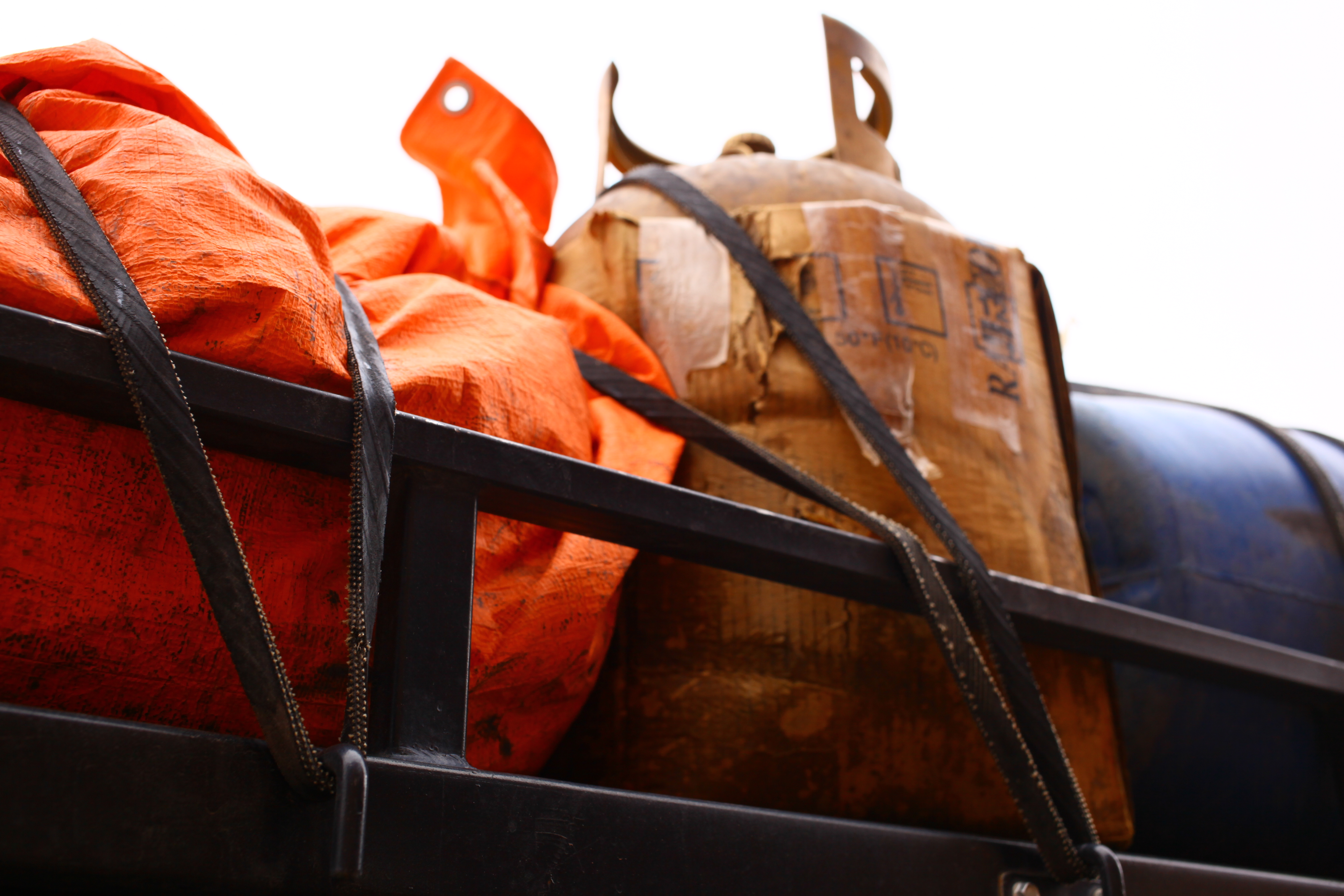
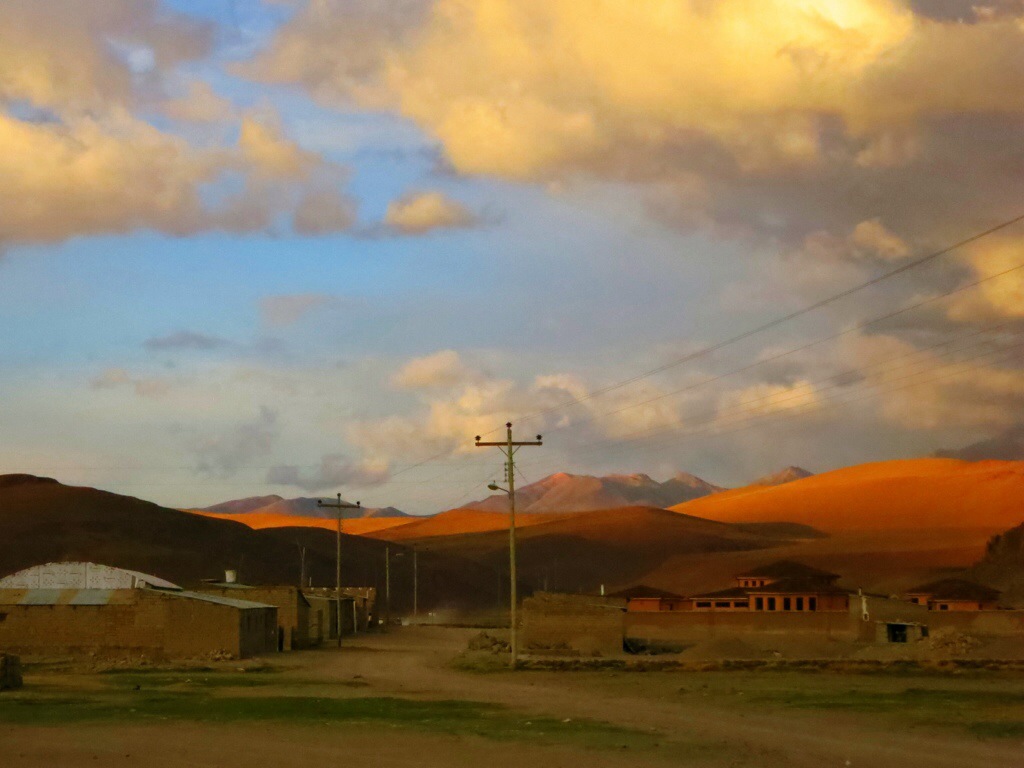
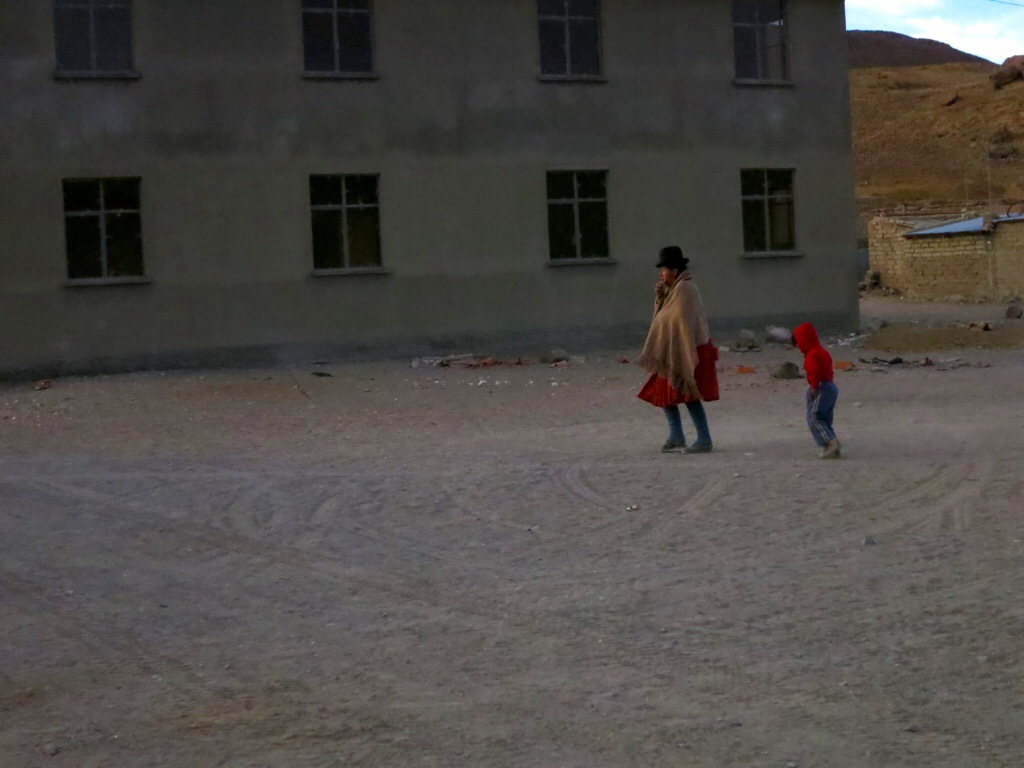
We woke up the next day rested and hopeful. Breakfast was pretty good and the coffee was hot. As we sat around trying to figure out our plan of attack in order to find another couple, our luck changed. Enter Marianne and Maxim. Holly and I had been running into Marianne at almost every hostel we had been at since El Calafate in southern Argentina. And here she walks into the same hotel in Bolivia with a fellow Belgian guy also looking for another couple to do the salt flats tour with. It could not have been more perfect. We booked a tour with the agency that was connected to our hotel and it was all settled. We were due to leave the next morning, rain or shine, at 0800. And rain it did. The first whole day was pretty much gaining altitude, thinking your heart was going to explode, and rain. Fortunately, our guide Archie and driver Vasíl were awesome and sympathetic. They understood the conditions weren’t great, they remained positive. Archie told us the rules which were to remain positive, tell him if anything was wrong or not meeting our expectations, and to be “shiny, happy people.” His words, not mine. Anyways, his pep talk was reassuring and we did our best to be “happy, shiny people.” It turned into the mantra. It was our objective. After driving for 4ish hours, we stopped off in a tiny little mining town for the first of many excellent meals.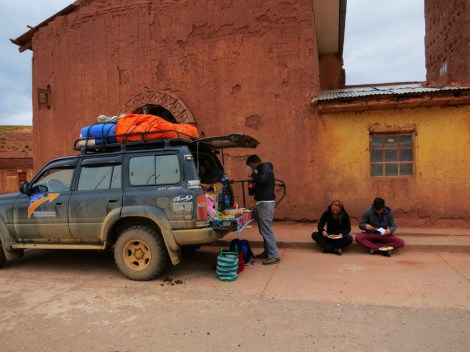


After eating, we loaded back in the Land Cruiser and headed off into the actual park to register and get into the meat of the tour. As we rode into the valley where the park office was, the weather cleared a good bit and gave us our first taste of what we were in for for the next couple of days.


We drove on a little further and arrived at the first place we’d be staying and were pleasantly surprised by how nice the facilities were. After 30 minutes, Archie had hot water and some snacks for tea time. After tea, all of us went to the local store and bought them out of beer, which was 6, and some snacks and stuff for the days to come. (Pro Tip: do this ahead of time).Dinner started off with a good hot soup. We were all so full after soup that we were surprised when chicken milanesas came. So we truly stuffed ourselves and I went out to snap some pictures of the stars. Afterwards, we all hit the sack and slept like rocks.
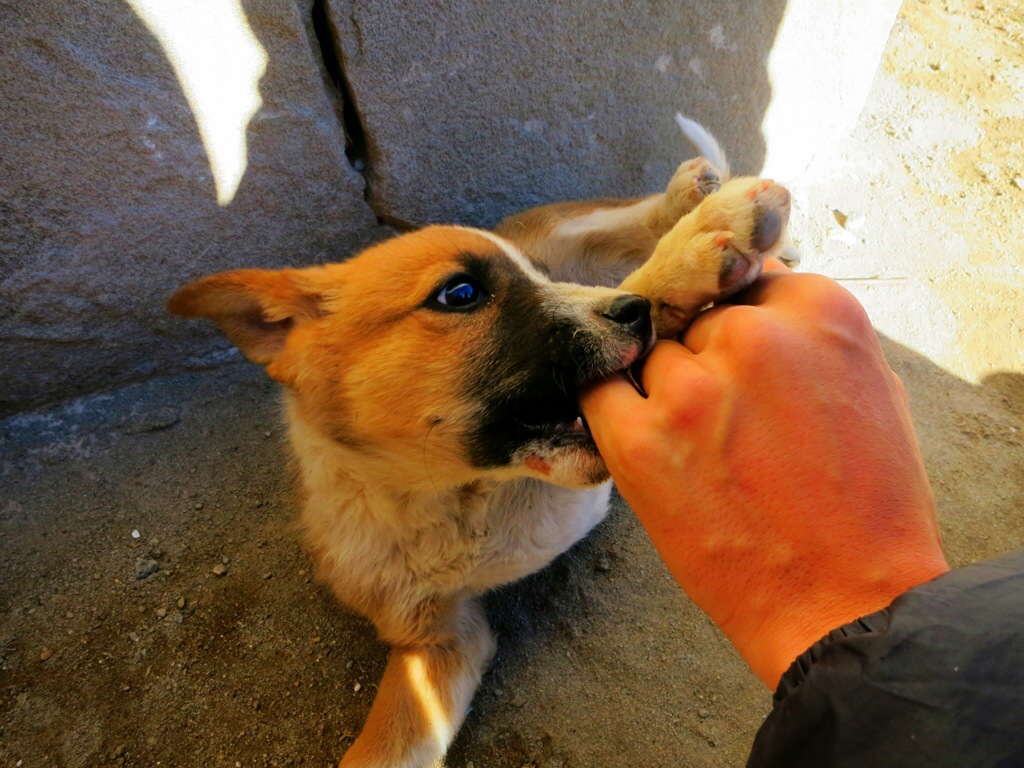
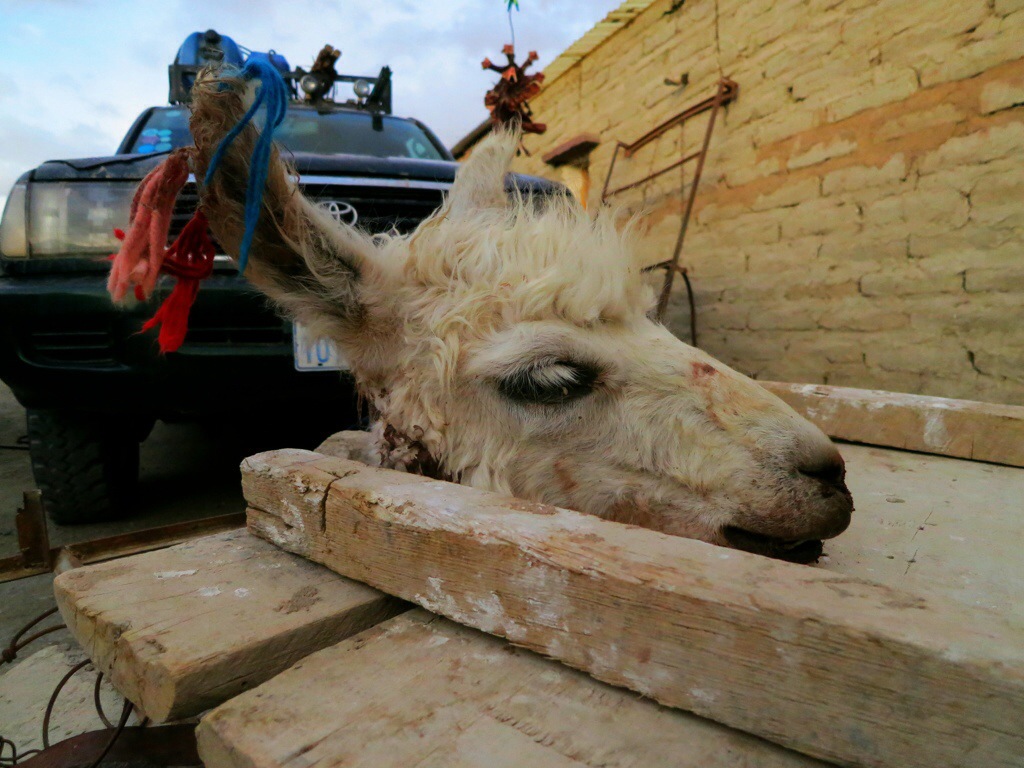

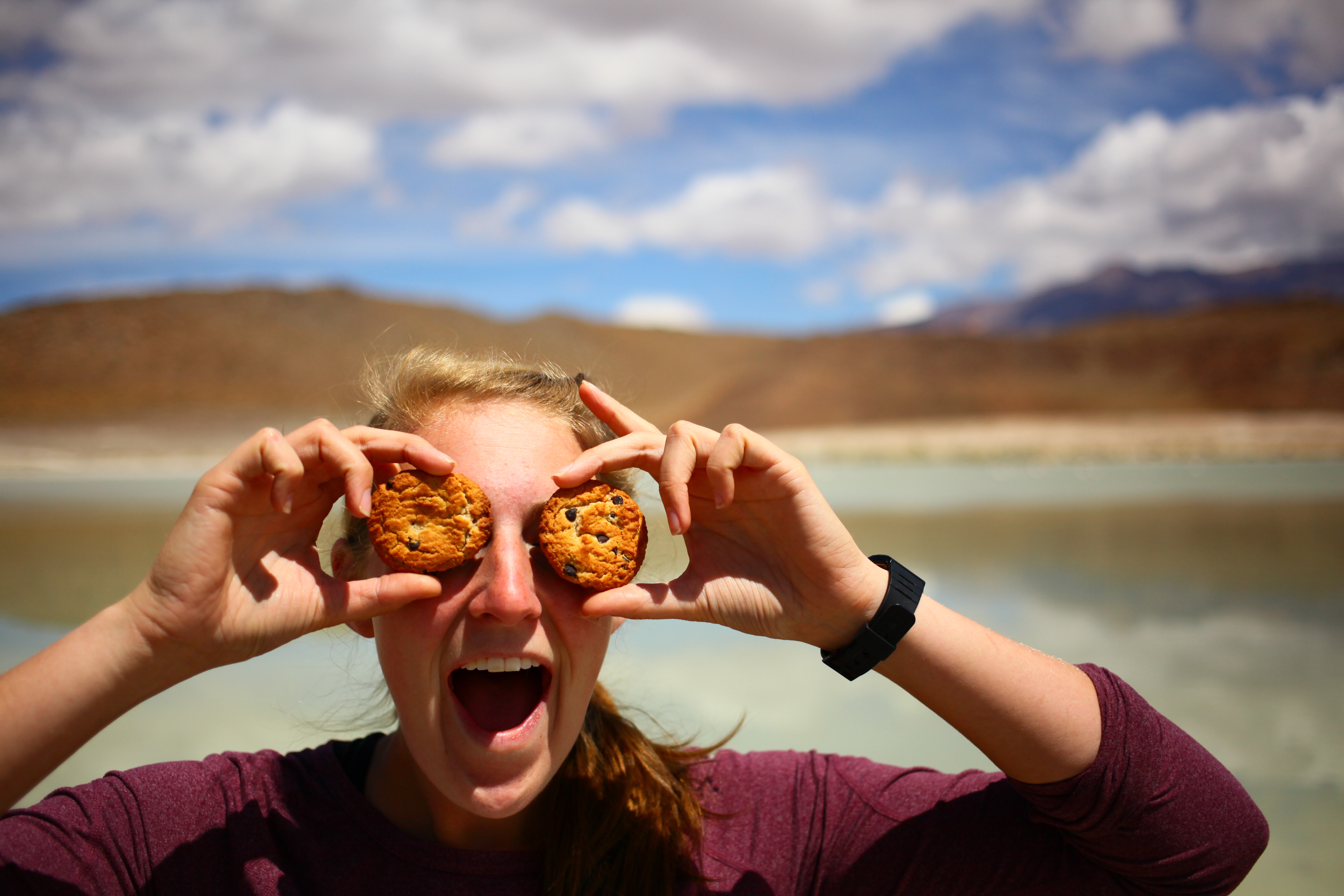
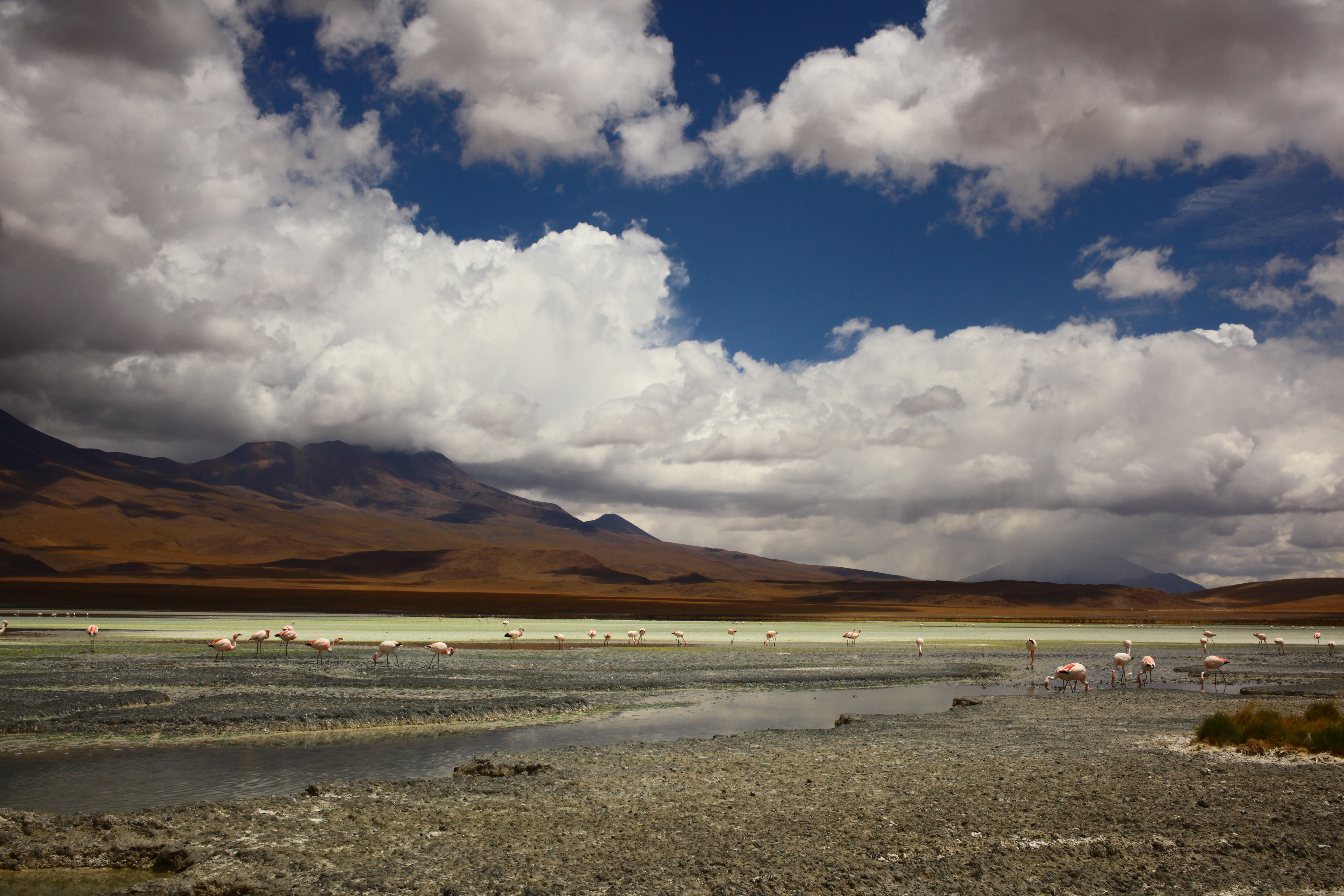
Day two we woke up to perfect weather, had a simple breakfast, and were off. We made a couple stops to take in the scenery and to watch some guys bagging borax which is one of the main minerals harvested from the area. A highlight for the day was the visit to Laguna Verde. This bright green lake has toxic levels of arsenic, supports no life, and is right at the foot of Volcano Lincancabur. This happens to be the same volcano we had seen about 3 weeks earlier when we were in the Atacama. San Pedro is right on the other side of the volcano by about 60 Km. After taking some goofy pictures at Laguna Verde, we headed for the thermal pools for a quick dip and some lunch. Afterwards we headed to some thermal vents to smell eggs, look at bubbling mud, and fix a flat tire. Our last big stop for the day was Laguna Roja. This is another highly toxic lake but hasflamingos which have adapted to the toxicity. It was very pretty but unfortunately clouds had begun to roll in which obscured some of the views. We left Laguna Roja for our second night in the flats. These accommodations were a little more rugged than the first but still plenty acceptable. We had another hot dinner and again slept like rocks.


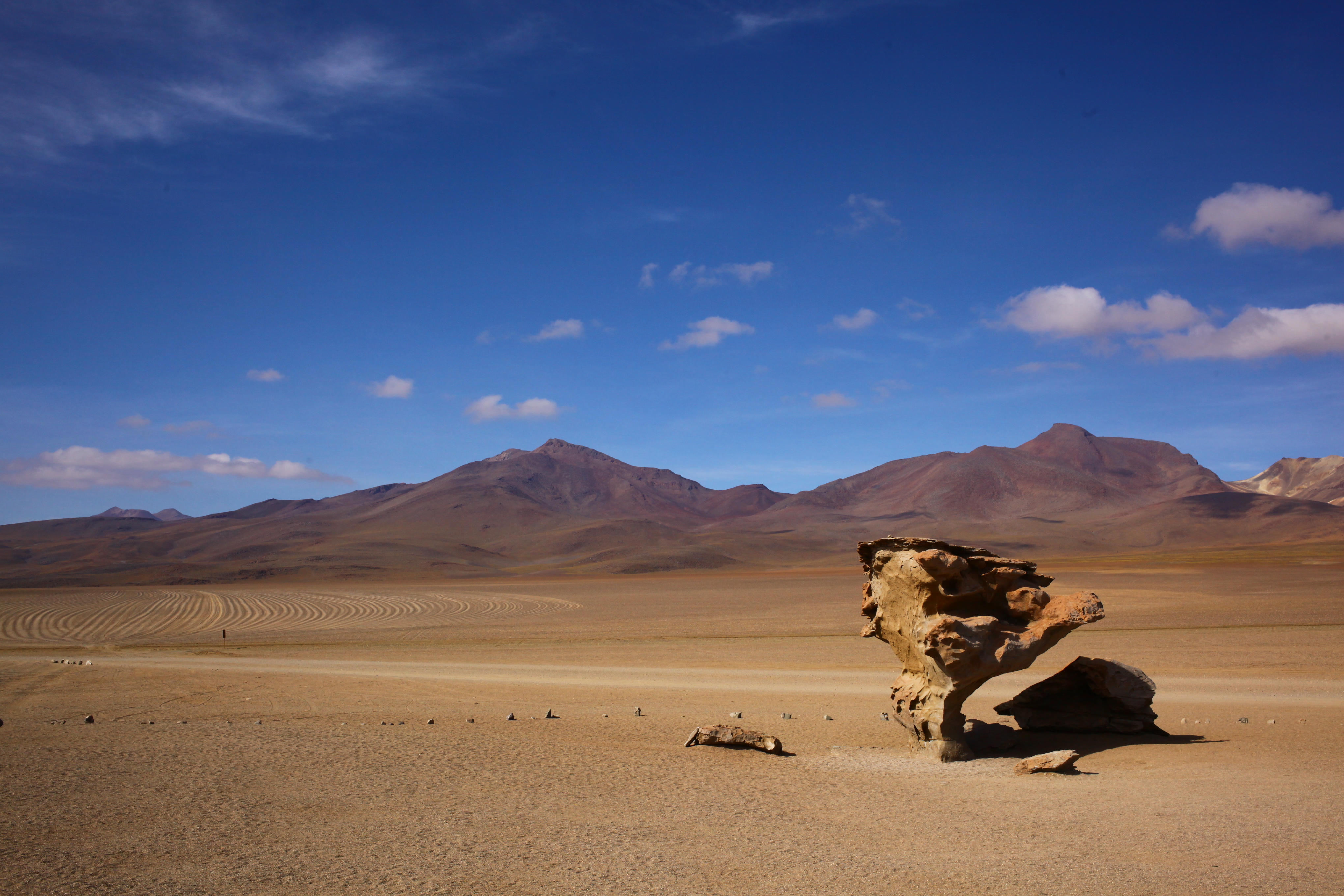
Day three and the ol’ routine. We woke up, had another simple breakfast and were off to see El Arbol de Piedra (Stone Tree) and climb around on some rocks. The “tree” is actually just rock that has been eroded over the ages but it is truly remarkable. It is also one of those things that completes anyone’s photo album of the salt flats.
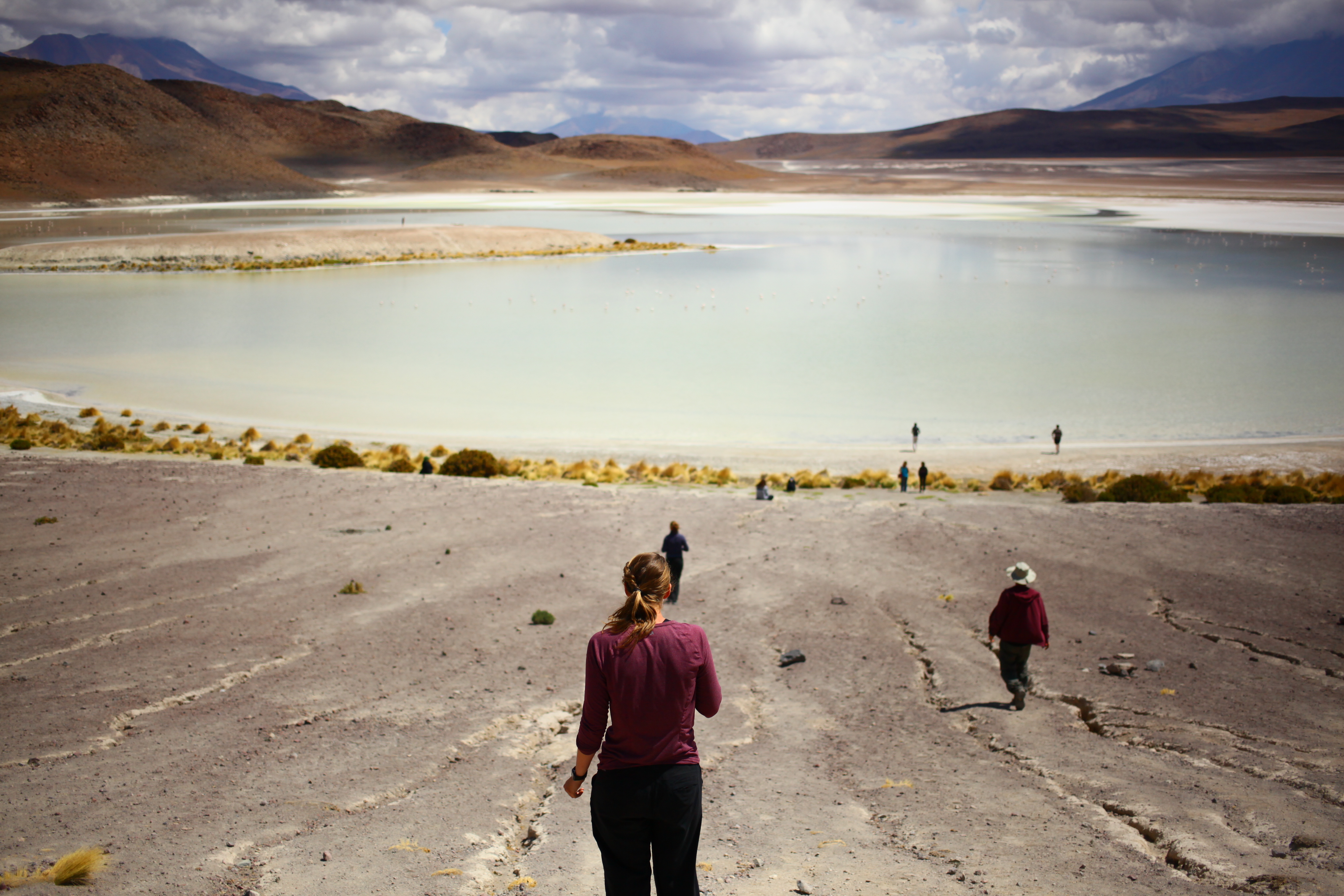
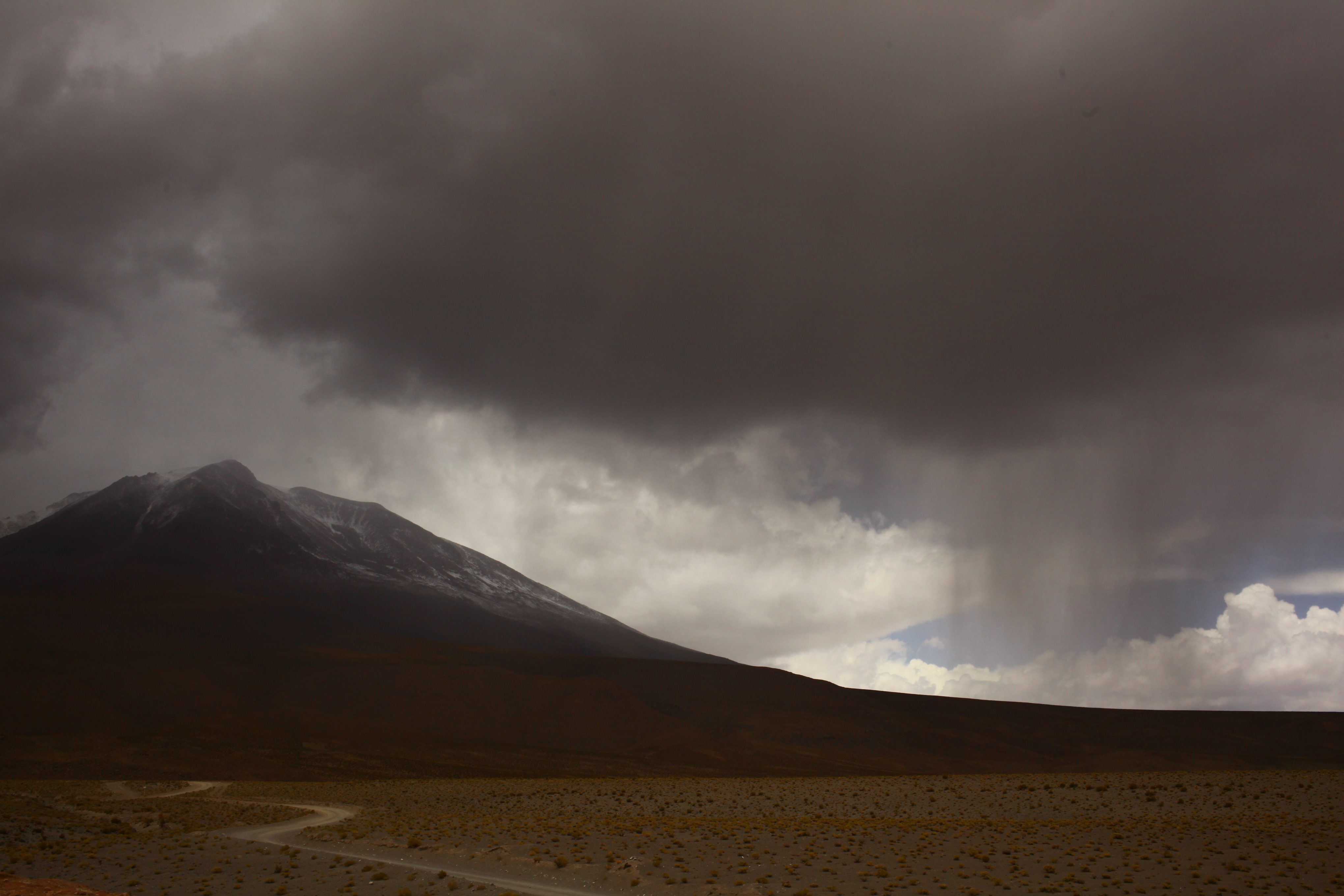
The rest of the day we spent visiting a lot of other lakes. In ideal conditions and with perfect timing, the lakes are all different colors or change colors with respect to the sun and reflections, but we missed these phenomena as a result of pretty high cloud cover. The lakes were beautiful regardless. We stopped off in a valley about 100 Km from the Salar de Uyuni for lunch and watched a storm roll off in the distance.
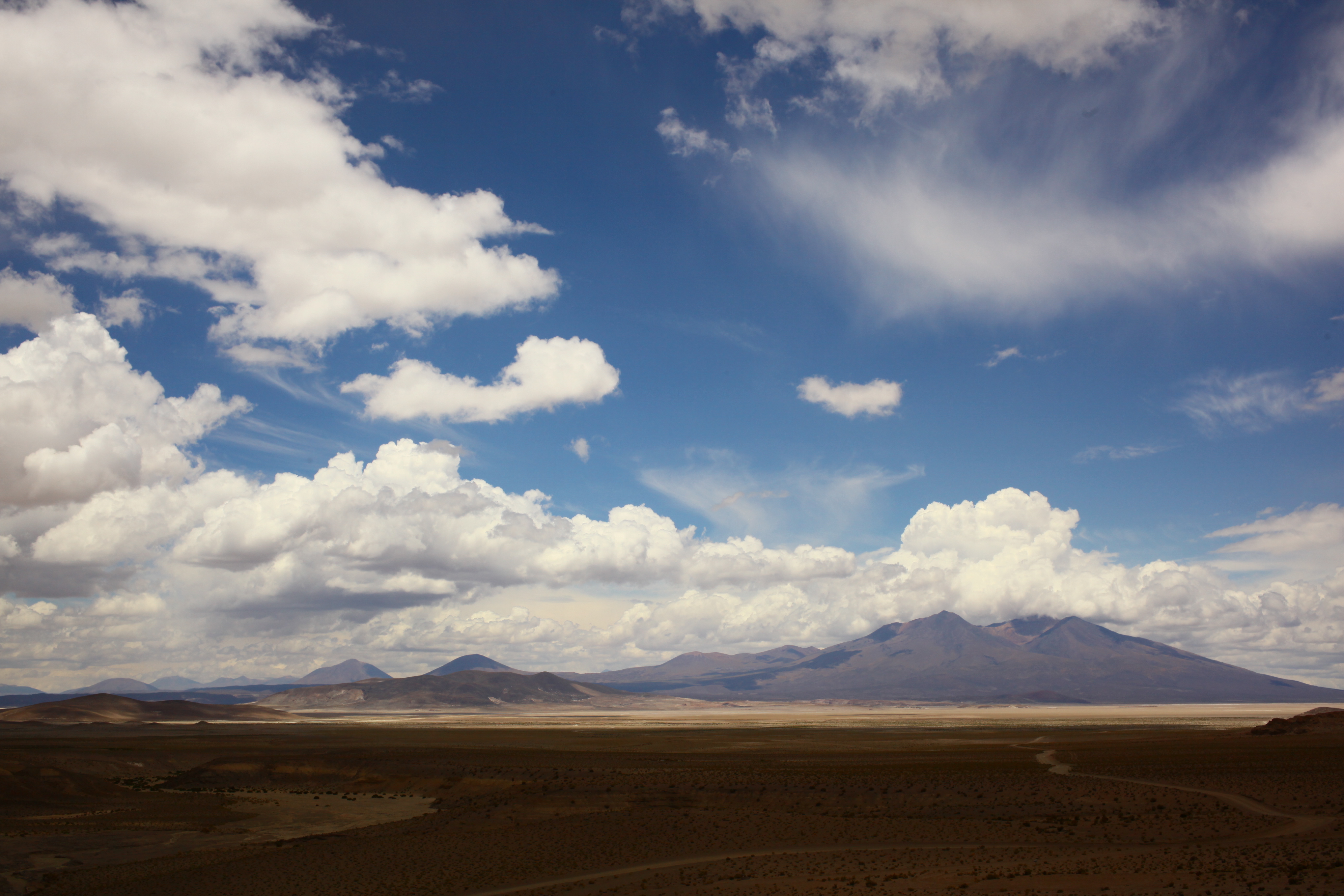

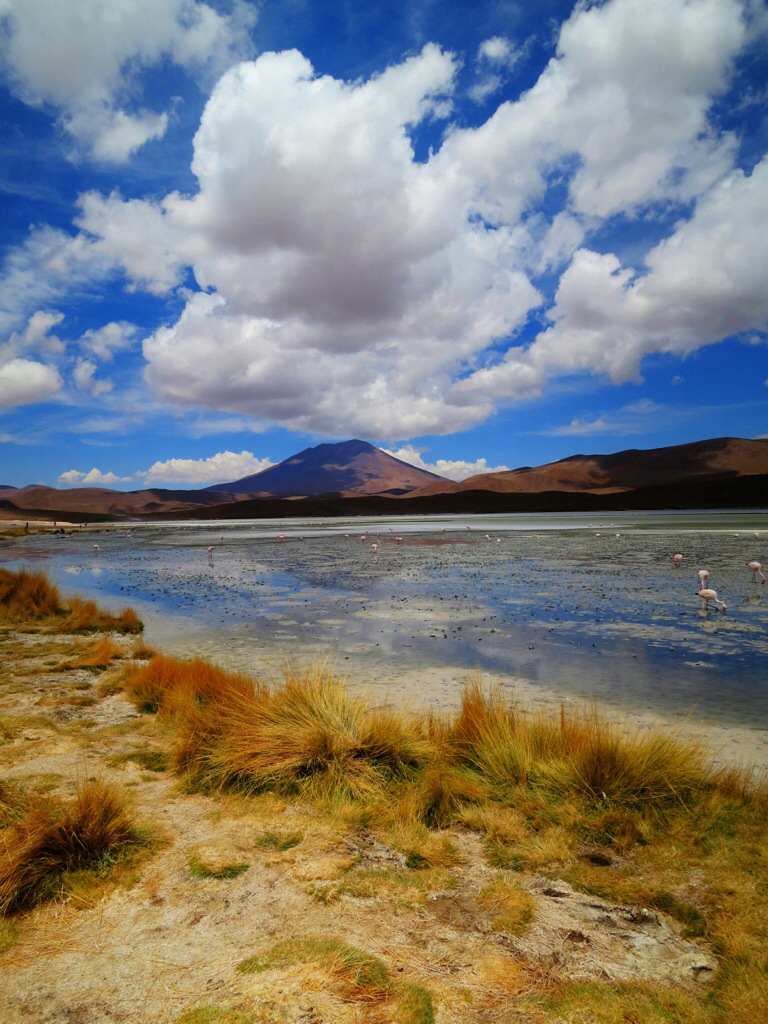
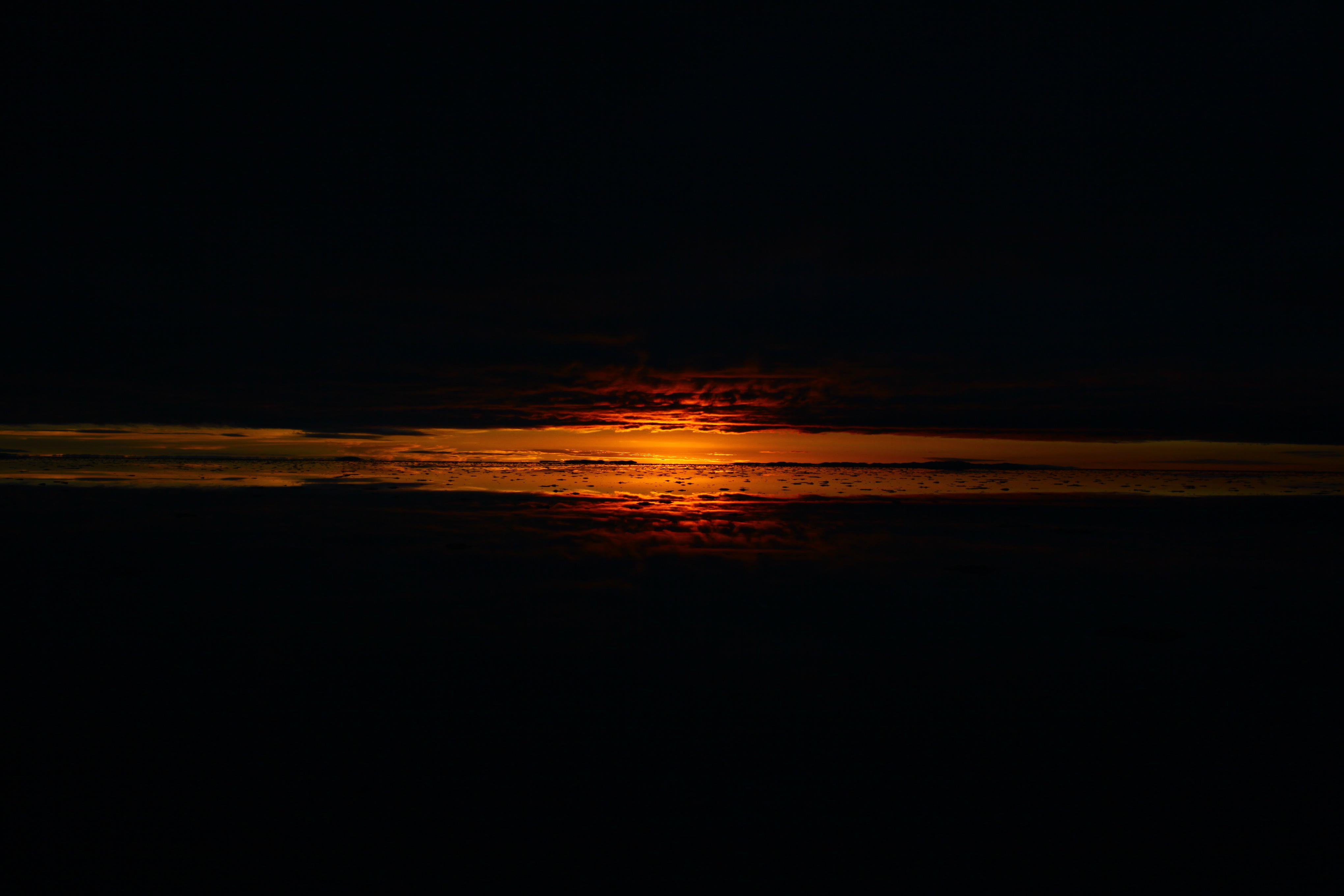
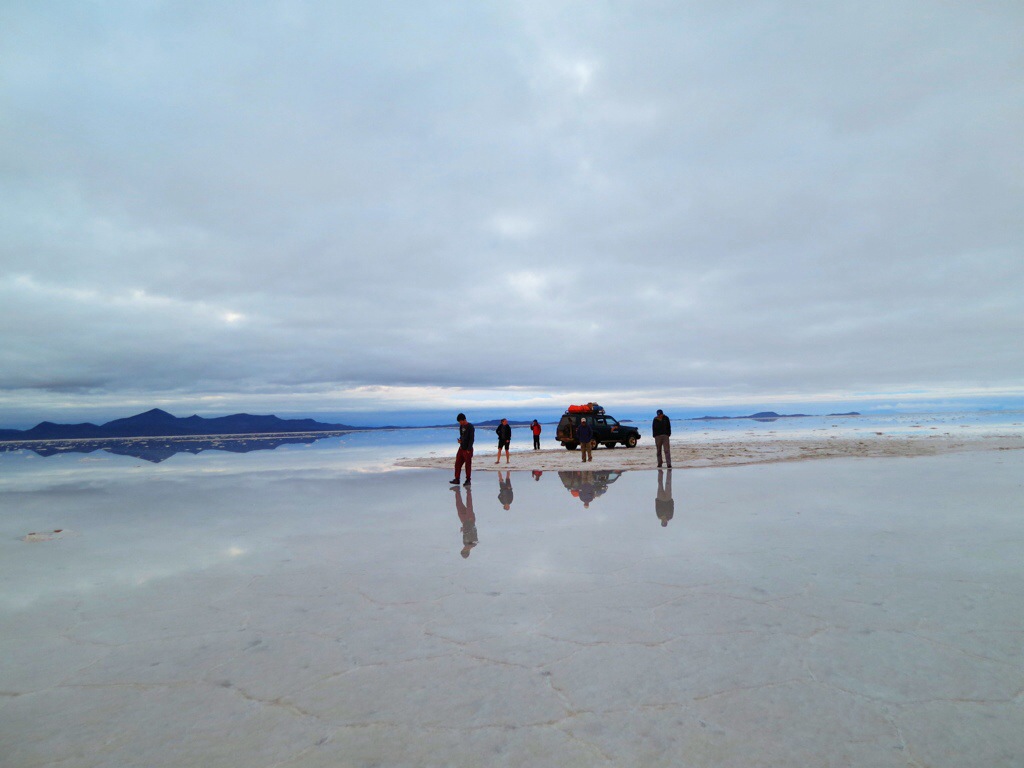
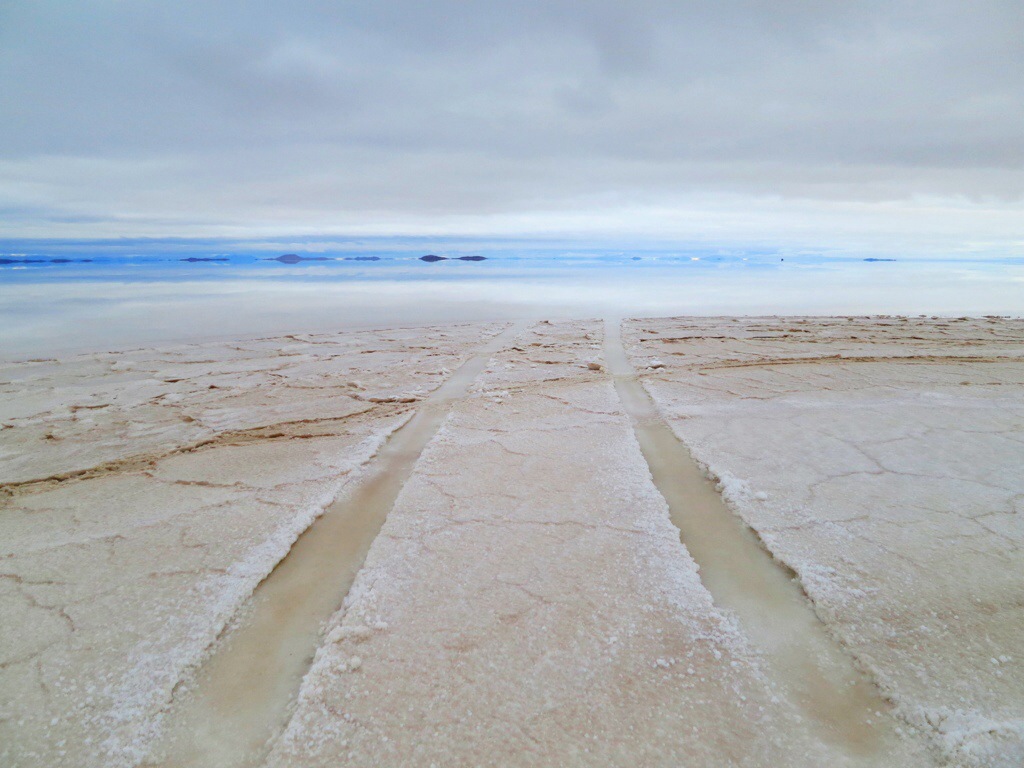
We also saw a ton of quinoa farms and arrived at the salt hotel about an hour before the rain did. After dinner, we talked about our plans for the next day. Because of the rain, our guides were hesitant to wake up early for the sunrise. I was also in this boat but we all decided to get up early anyway and see how it looked. Fortunately, at 4AM, the weather seemed pretty good. There was still a decent bit of cloud cover but it seemed as if it would be worth it, and worth it is was. I think I probably took about 300 pictures over the next hour and a half. The rain on the salar turned the whole thing into a mirror, doubling the effect of the sunrise and producing some pretty incredible pictures.
In no particular order:


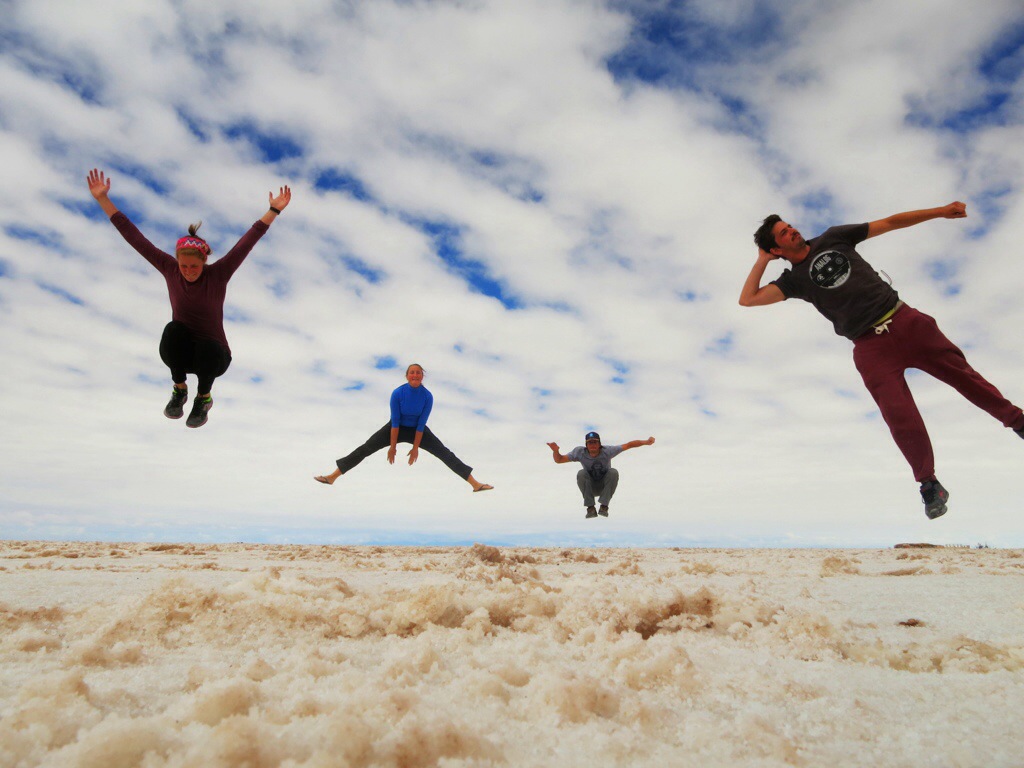
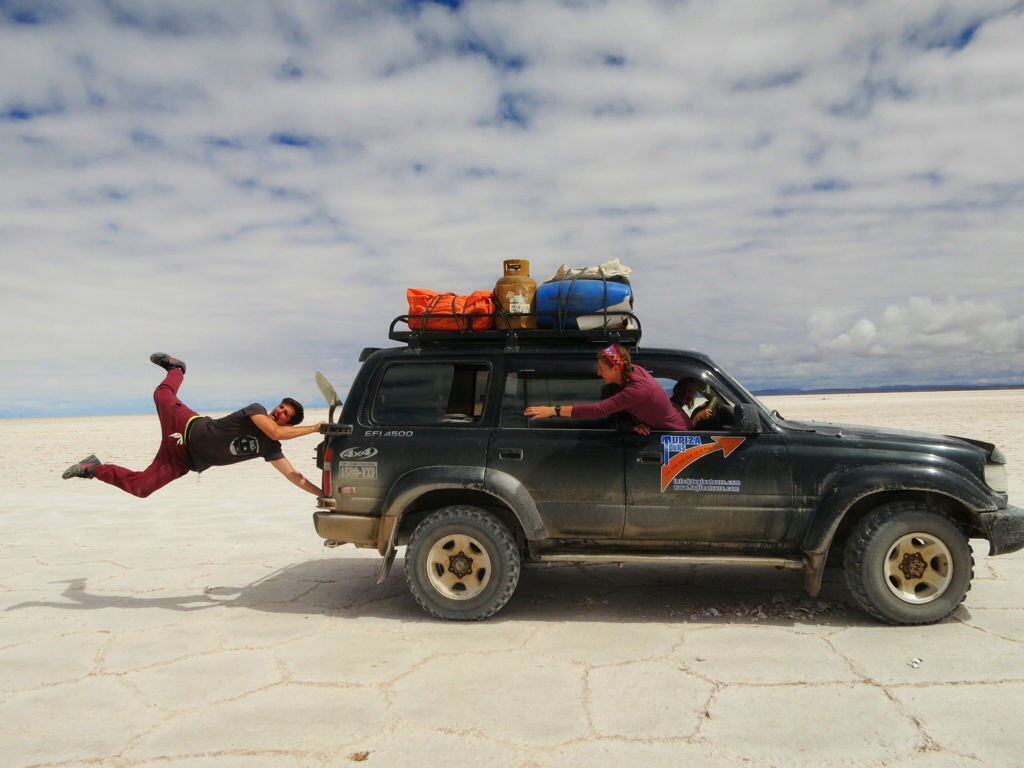
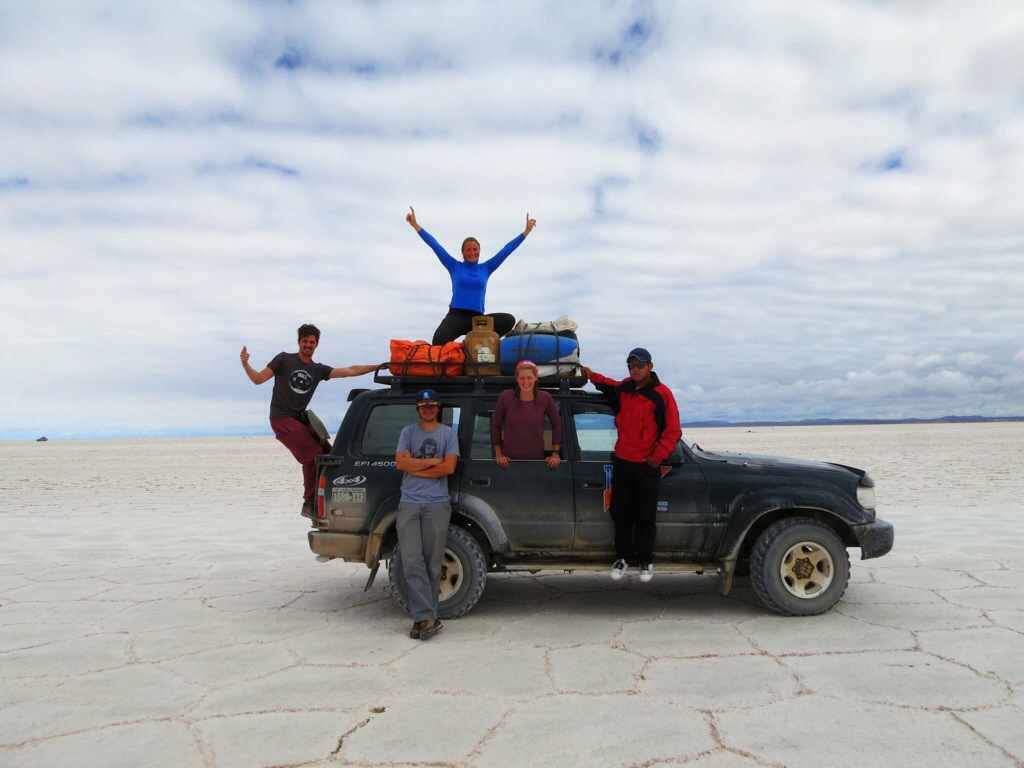
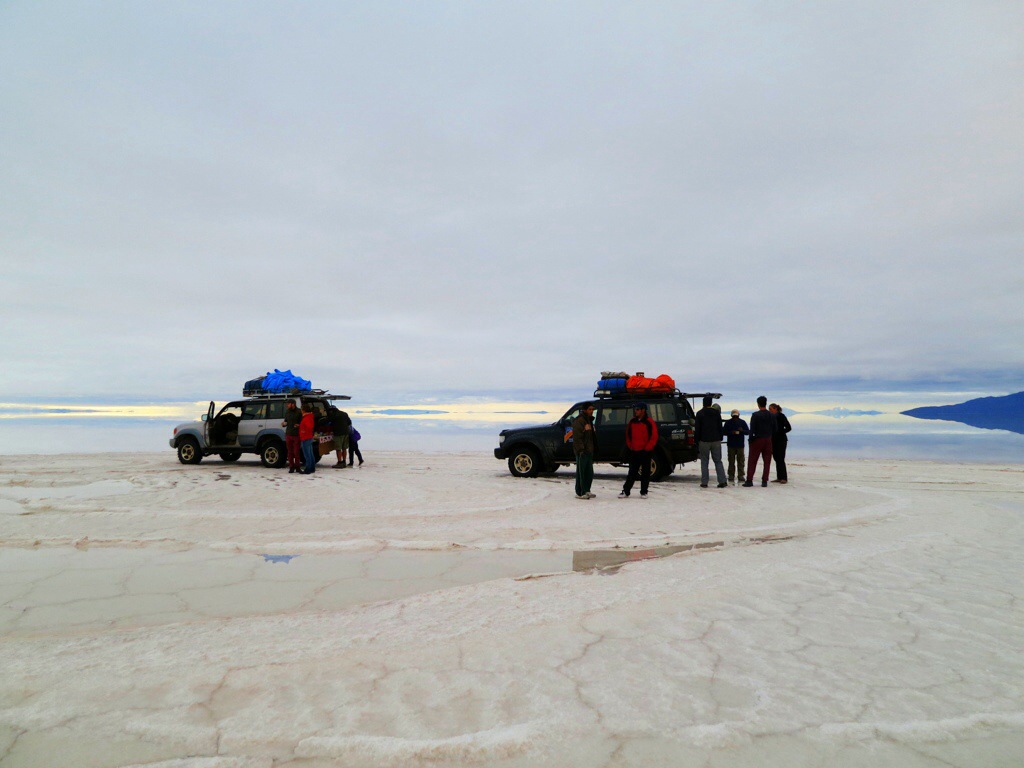
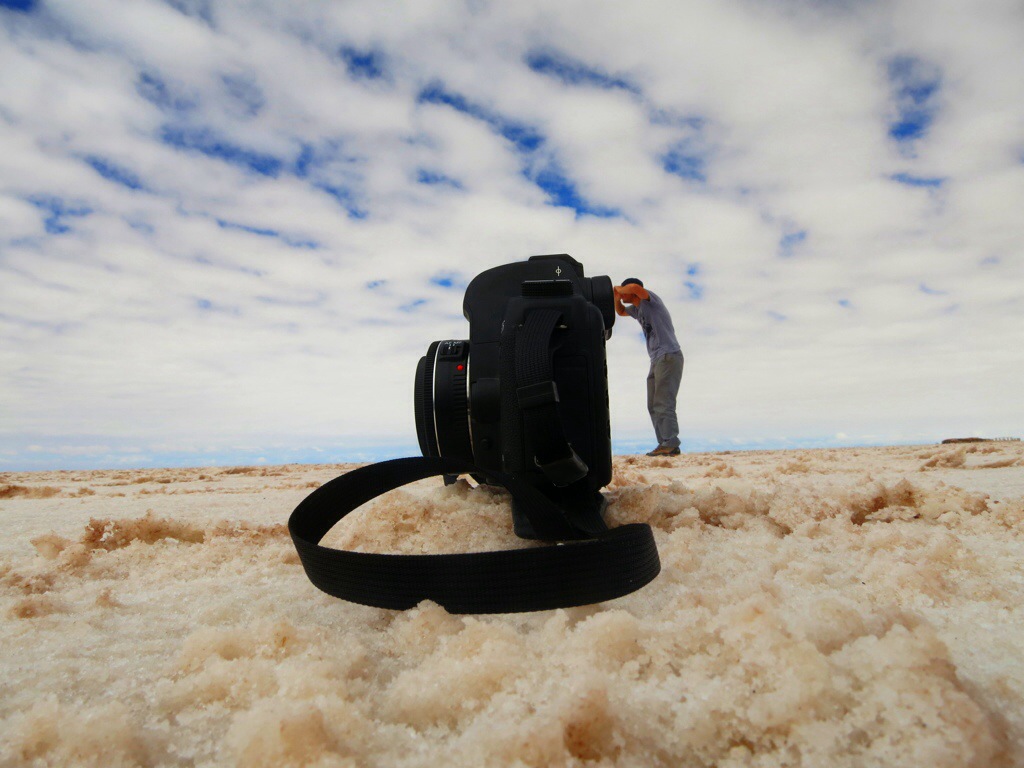
After wearing out my shutter, we hopped back in the SUV to see if we could break at Fish Island but the water was too high. Instead, we turned and headed for Uyuni. On the way we stopped for breakfast and then later to take a bunch of silly pictures. Good fun was had by all. On our way off the salar, we passed a salt processing plant, an illegal salt hotel, and took even more goofy pictures.

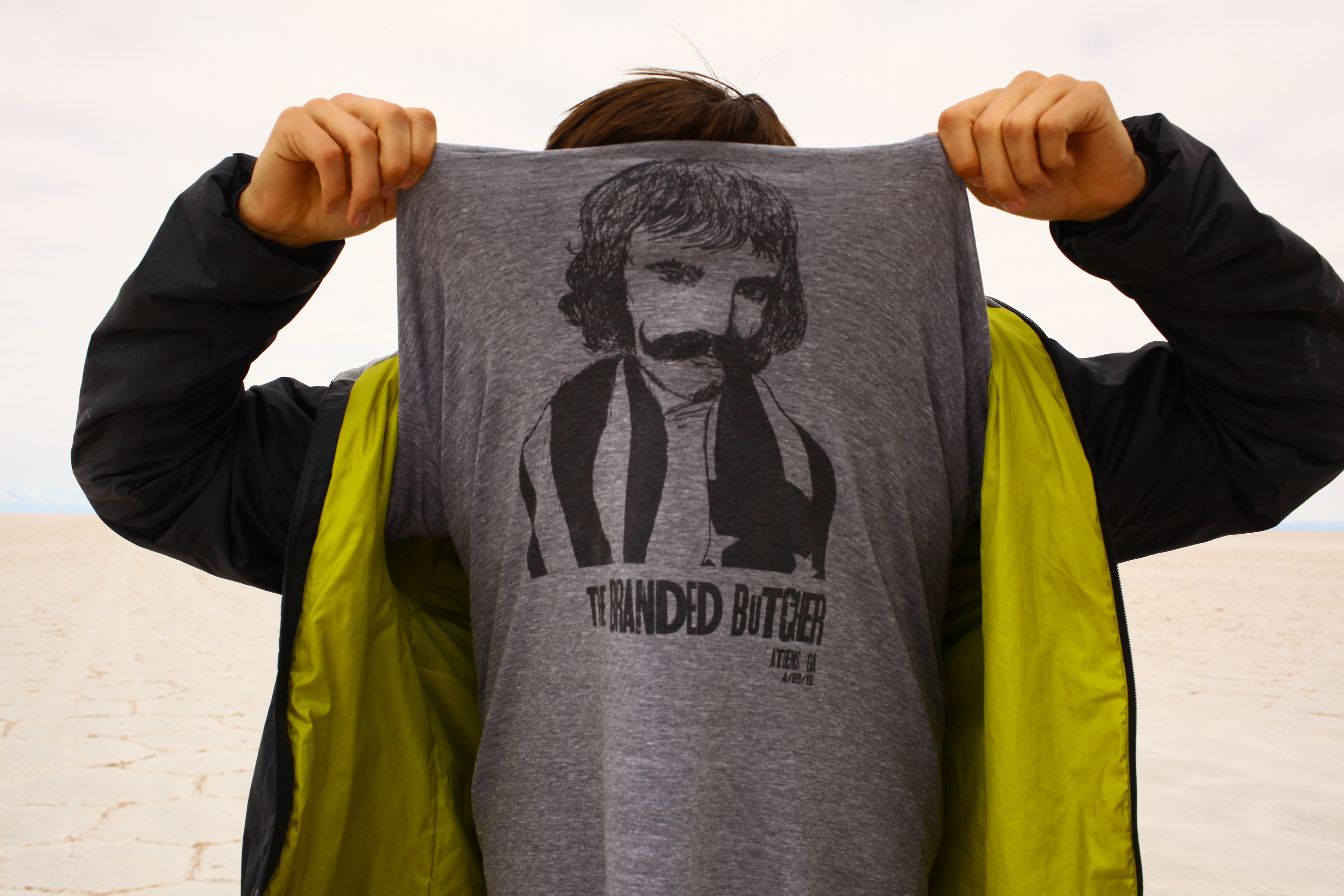
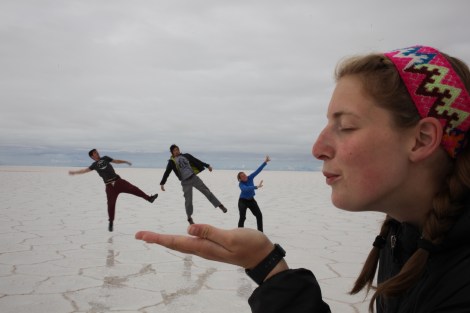
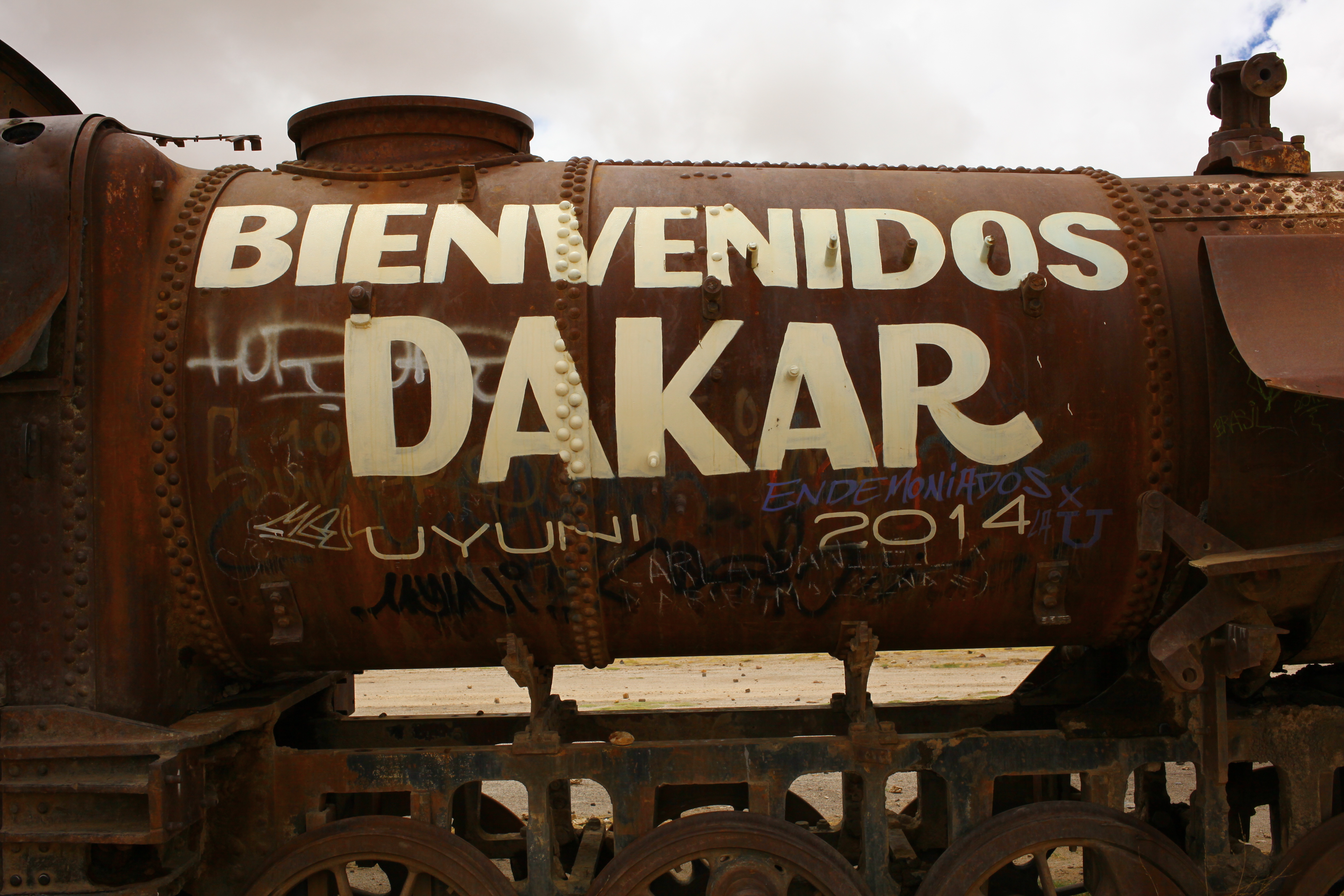
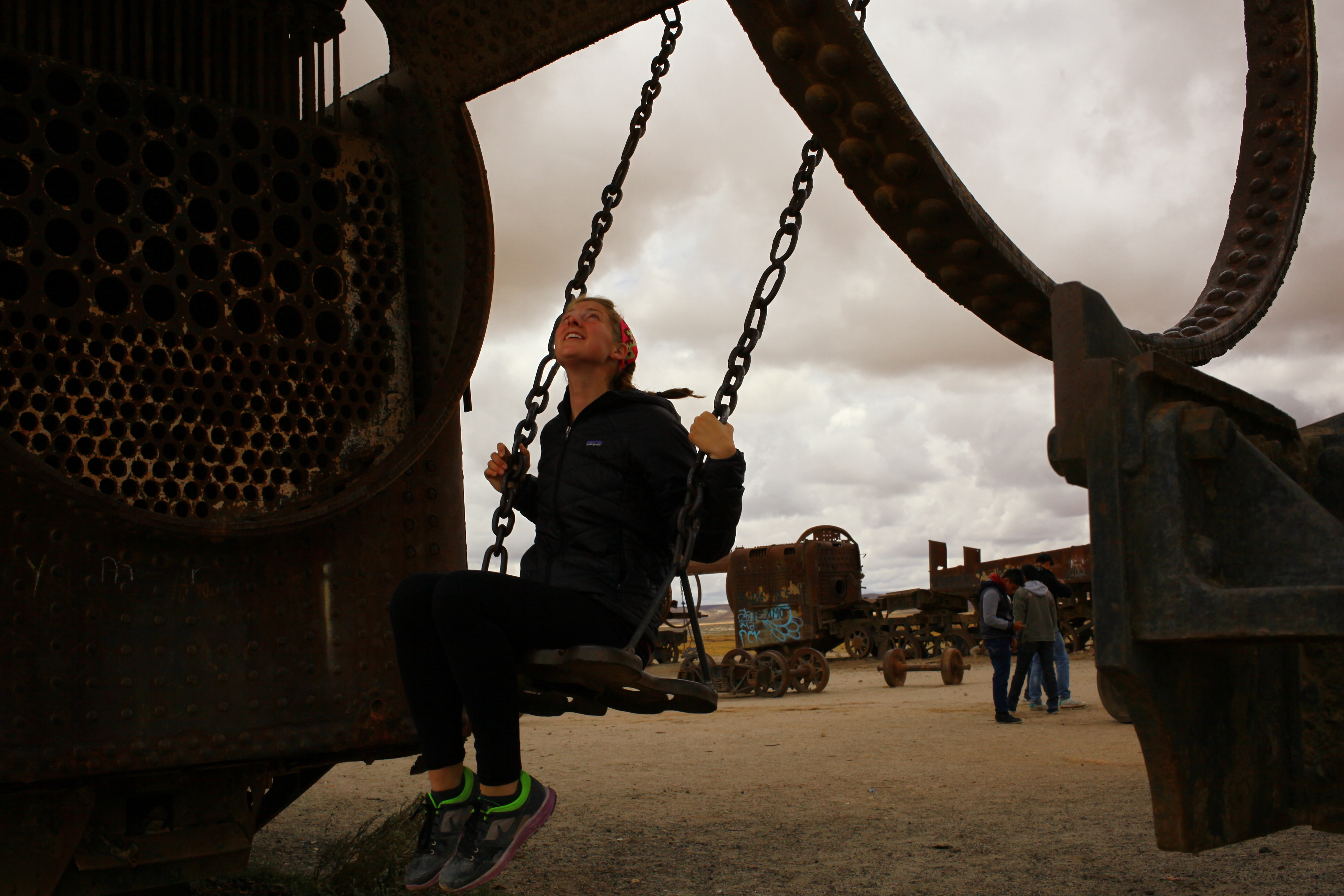
We then went to the train graveyard to see all the rusted iron beasts that once made the area so rich. When we got sick and tired of locomotives, we made our final stop in Uyuni for lunch and our goodbyes.



Lunch was great, Marianne cried, and we met some nice french girls who would later join the four of us to Potosi. Needless to say, it was an incredible 4 days. We covered something like 700 Km and saw some pretty amazing stuff. Our guides could not have been better and really made it. If you read reviews about visiting you’ll see that we were very lucky to be with Archie and Vasíl. Marianne and Maxim were the best travel companions and I hope we served them equally as well. Lifetime stuff.
 Routes Not Found